Recording Studios in Los Angeles: 7 Studios to Know Before You Book
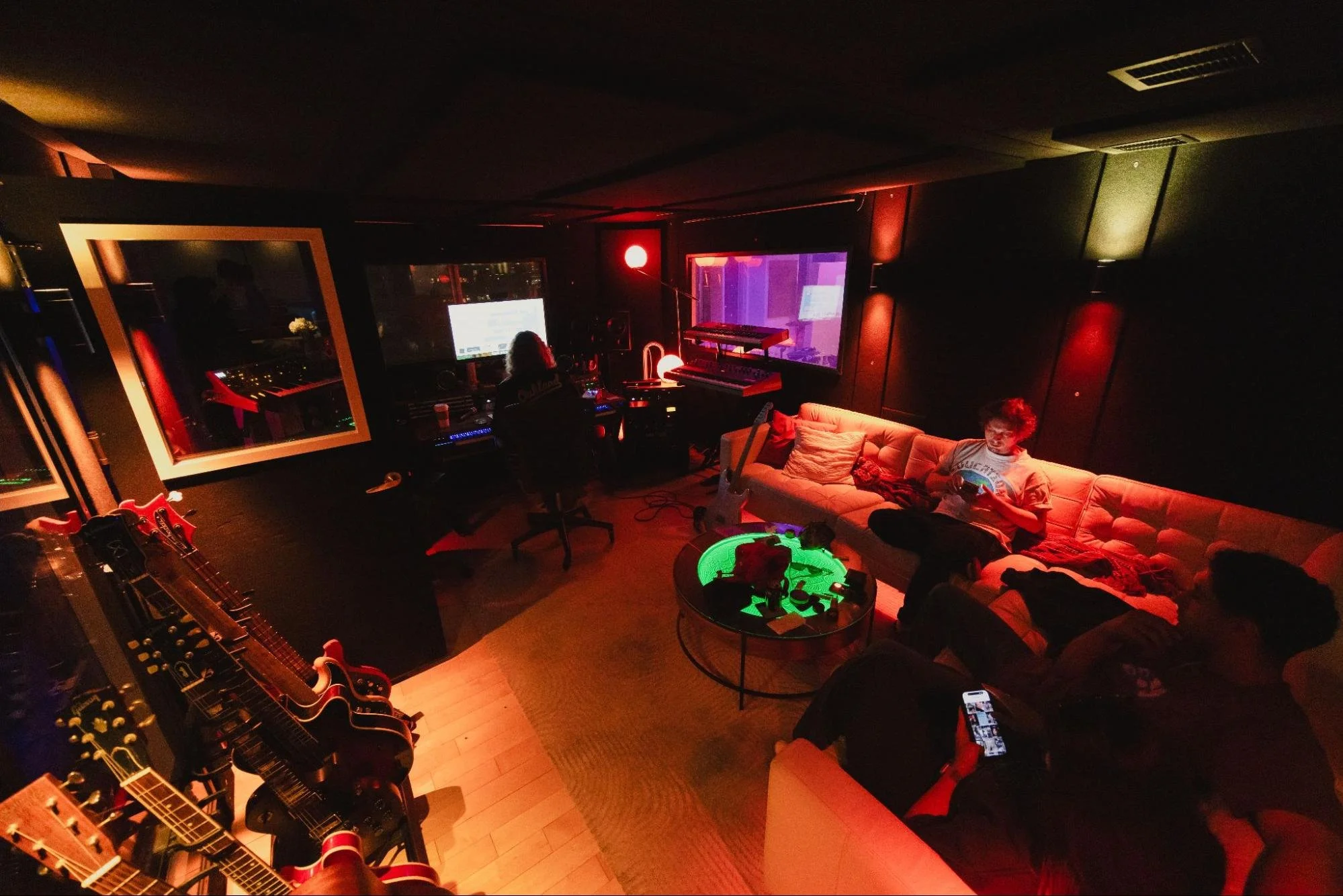
Photo via Room Key Studios
Finding the right room for your sound, and your sanity.
Finding the right recording studio that perfectly complements your workflow in Los Angeles can be overwhelming. While the city is famous for its many historic, multi-room complexes, modern artists are increasingly hesitant to pay premium rates for a legacy name and a massive live room, only to spend the majority of their sessions crammed into a dark, cramped production suite and cutting vocals in a tiny, claustrophobic booth. Instead, creators today are turning to inspiring writing spaces with a high-end vocal chain, a more private, comfortable environment; one that bridges the intimacy of a personal artistic space with world-class technical capabilities.
Choosing the wrong space can drain your budget and dampen your session's vibe. That’s why we’ve narrowed down the hundreds of options in LA to a curated list of seven standout spaces.
This guide covers Room Key Studios, The Woodshed Studios, The Doghouse Studio, The Village Studios, Westlake Recording Studios, Lion Share Studios, and Chaplin Recording Studios. Each has its own strengths, from historic rooms and large-format studios to more relaxed, focused spaces for modern artists.
For artists looking for a private West Los Angeles recording studio with natural light, comfort, and dedicated spaces for writing, recording, and production, Room Key Studios offers a distinct alternative. Keep reading for a closer look at each studio and what type of session it may be best suited for.
Room Key Studios (Westwood)
Best For: Long-Term Projects, Creative Wellness, and Independent Artists
Room Key Studios is a strong fit for artists who want a focused, private studio environment without the cold feeling that can come with some commercial rooms.
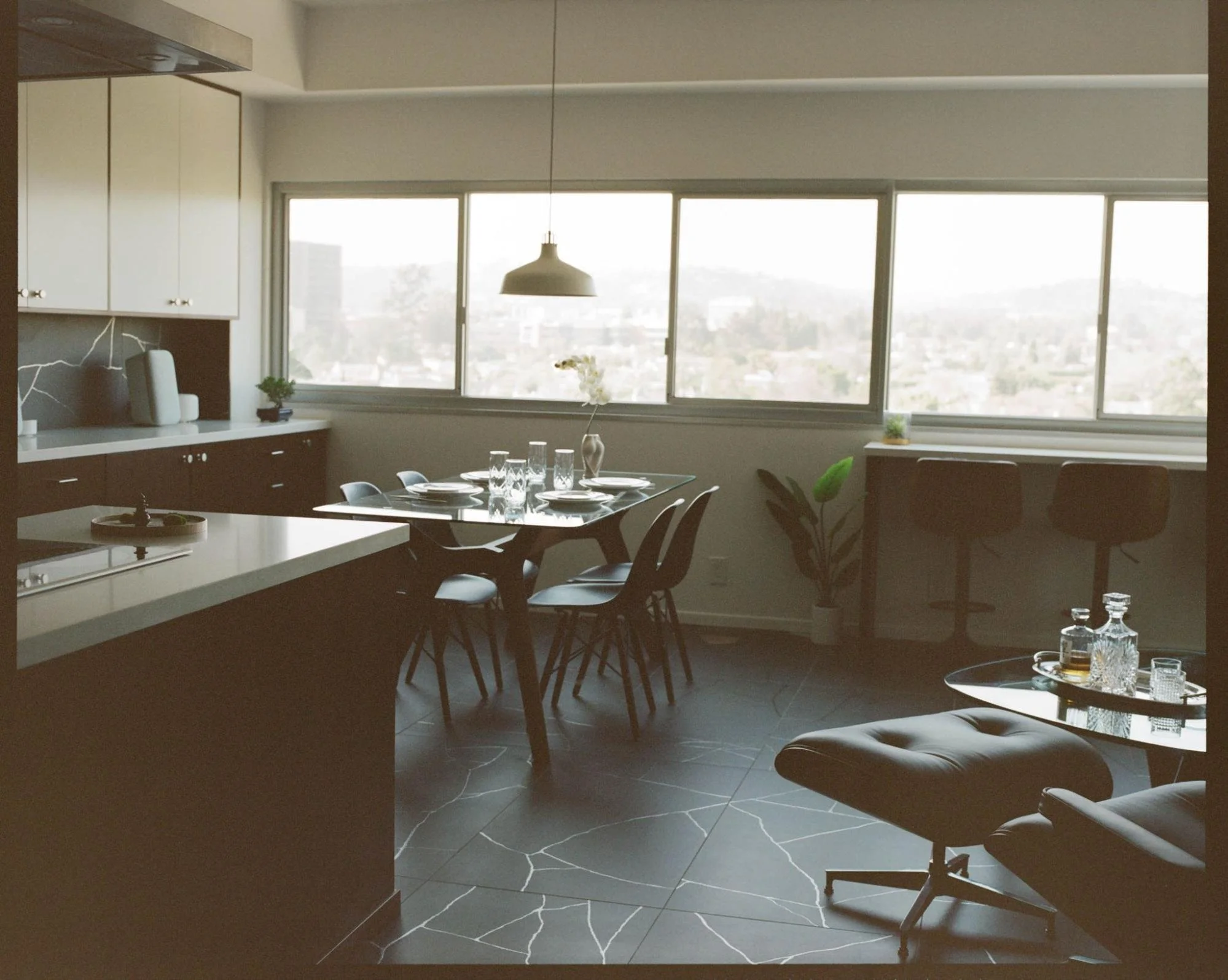
Located in Westwood, Room Key is close to the center of LA but removed enough to feel calm once you are inside. The studio’s biggest difference is the way the space feels during a long creative day. There is an abundance of natural light, a main room connected to a balcony and lounge, a sunlit isolation booth, a full kitchen and areas where artists can step away from the speakers for a moment without leaving the session entirely.
That matters more than people sometimes admit. Writing and recording are not just technical processes. Artists need to feel comfortable trying ideas, playing rough demos, taking breaks, and getting back into the flow without the room working against them.
Room Key is especially well-suited for writing sessions, vocal recording, production days, independent artist projects, long-form creative work and projects where privacy and comfort are essential to the process. Its strength lies within unique dualities that offer experiences simultaneously personal and collaborative, calm in the daylight and lit after sundown, a place zen enough to hear oneself think, which can be exactly what an artist needs.
The Village Studios
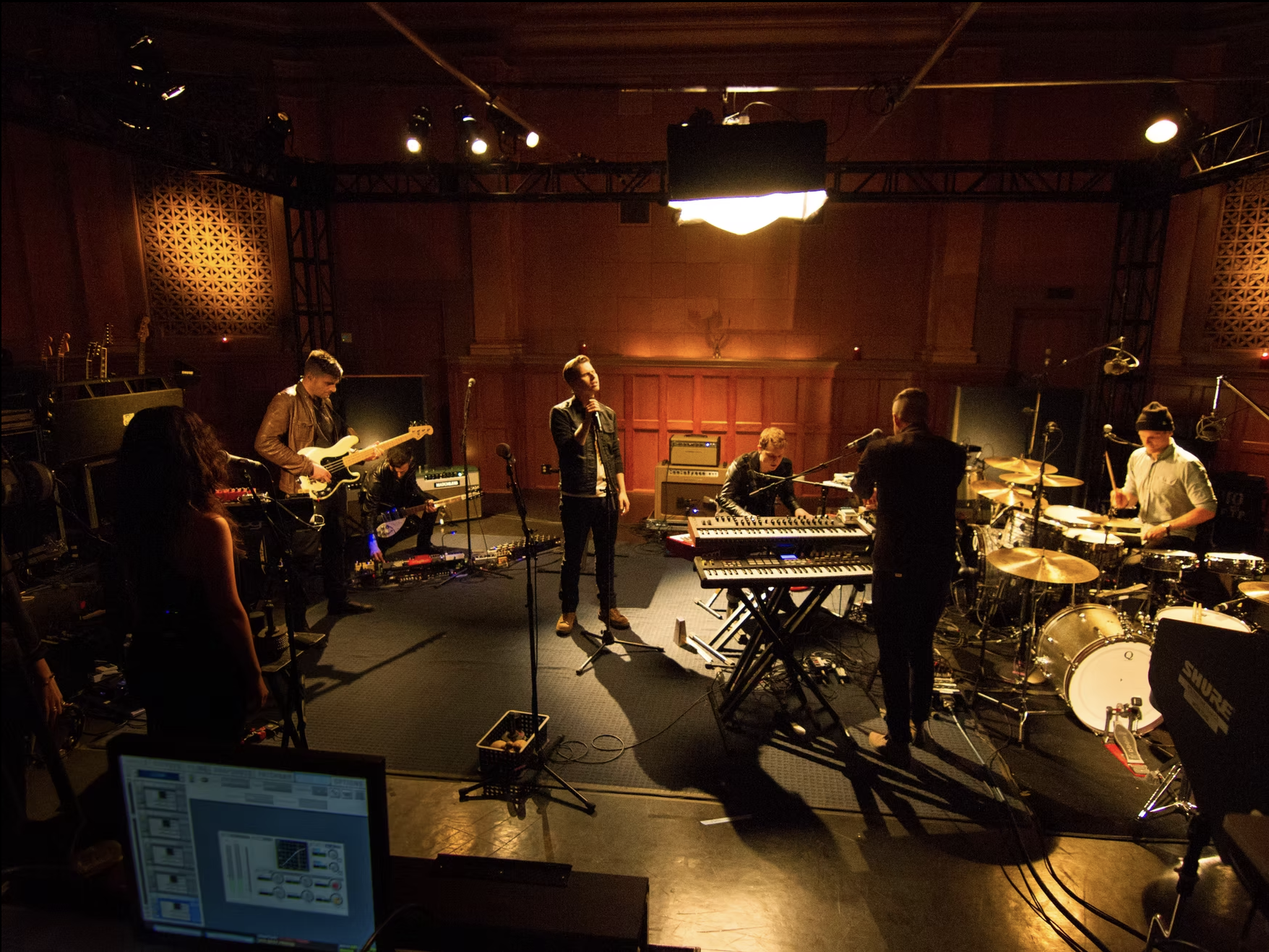
Photo via The Village Studios
The Village is one of the LA rooms people talk about for a reason, but the most interesting part is not just the names attached to it. It is the building itself and the range of work it can support.
The studio is housed in a 1920s Masonic Temple in West LA, and that history gives the place a different feel than a standard commercial studio buildout. Over the years, The Village has been connected to major artists, film scores, orchestras, rock bands, pop sessions, voiceover, podcasts and Dolby Atmos mixing.
For artists, the appeal is flexibility. A place like The Village can handle a much bigger range of sessions than a small writing room. If you are tracking a band, working with a larger ensemble, doing soundtrack work or need multiple rooms and a staff that understands complex session logistics, it makes sense why this studio stays in the conversation.
The Village is probably more studio than an emerging artist needs for a simple vocal day. But for larger productions, film and TV music, full-band work or artists who want to be in a building with real LA recording history, it is one of the obvious names to know.
Westlake Recording Studios
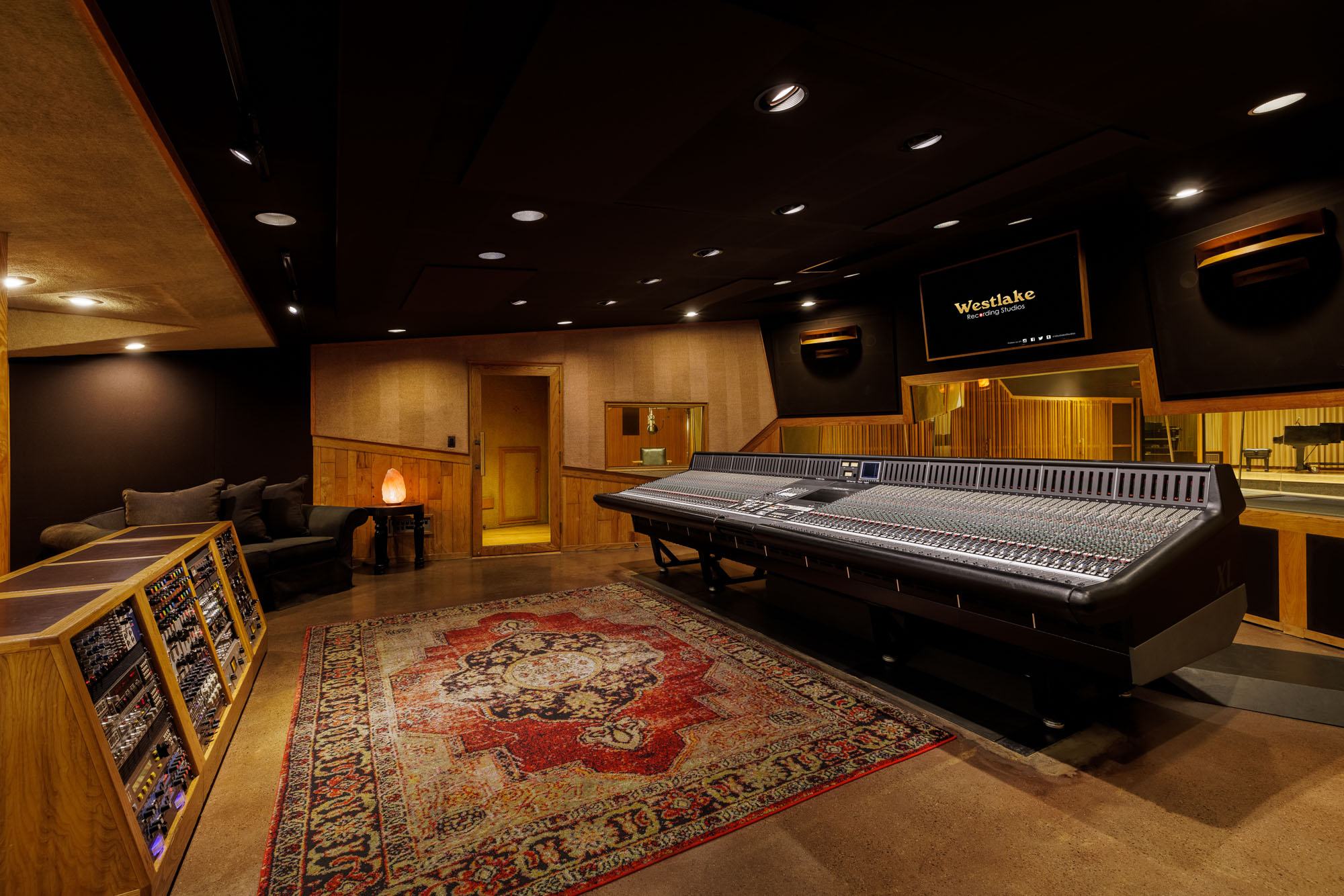
Photo via Westlake Recording Studios
Westlake is closely tied to polished commercial recording in Los Angeles. The studio has multiple rooms in the West Hollywood area, including larger tracking rooms and smaller production spaces, which makes it useful for a wide range of pop, R&B, vocal, overdub and mix sessions.
Studio A is the room most people recognize because of its connection to Michael Jackson’s Thriller. But beyond the history, the practical reason artists book Westlake is the room structure. Studio A has a large tracking room, a separate piano isolation room and an SSL console setup built for serious recording and mixing. Studio B is known for a tighter, punchier room sound, which can be useful for certain types of tracking and overdubs.
Westlake is a good example of a studio where the name matters, but the real value is workflow. If a project needs reliable rooms, established gear, experienced staff and a setting that has handled high-level commercial sessions for decades, Westlake belongs on the shortlist.
Lion Share Studios

Photo via Lion Share Recording Studios
Lion Share Studios sits on Beverly Boulevard and carries a long recording history, but what stands out today is its balance of legacy and privacy.
The studio’s current setup includes Studio SSL and Studio API, giving artists and producers two distinct room options for recording, mixing and production. Lion Share also makes a point of protecting the privacy of the people working there, noting that it does not offer tours or host listening parties. That tells you something about how the space is meant to function. It is not trying to be a public-facing landmark. It is a working room.
For artists who care about history, Lion Share has plenty of it. The studio has been associated with major names across pop, R&B, rock and soul. But the more useful way to think about it is this: Lion Share is for artists and producers who want a serious room, a quieter profile and a space that feels built around the session rather than the spectacle around the session.
Chaplin Recording Studios

Photo via Chaplin Recording
Chaplin Recording Studios is part of one of the most unusual studio properties in Hollywood. The lot at 1416 N. La Brea began as Charlie Chaplin’s studio in 1917, later became A&M Studios, then Henson Recording Studios, and has now returned to the Chaplin name under John Mayer and McG.
That history gives Chaplin a different kind of appeal. It is not just a room with gear. It is a full entertainment lot with recording studios, studio suites, a mixing suite and a soundstage environment. For artists who work across music, film, content and performance, that can open up possibilities that a standard recording room cannot.
Chaplin makes the most sense for projects that benefit from being in Hollywood’s production ecosystem. That might mean album work, soundtrack work, filmed performances, content capture, sessions with visual components or artists who want a studio environment with more than just a control room and booth.
The Doghouse Studio
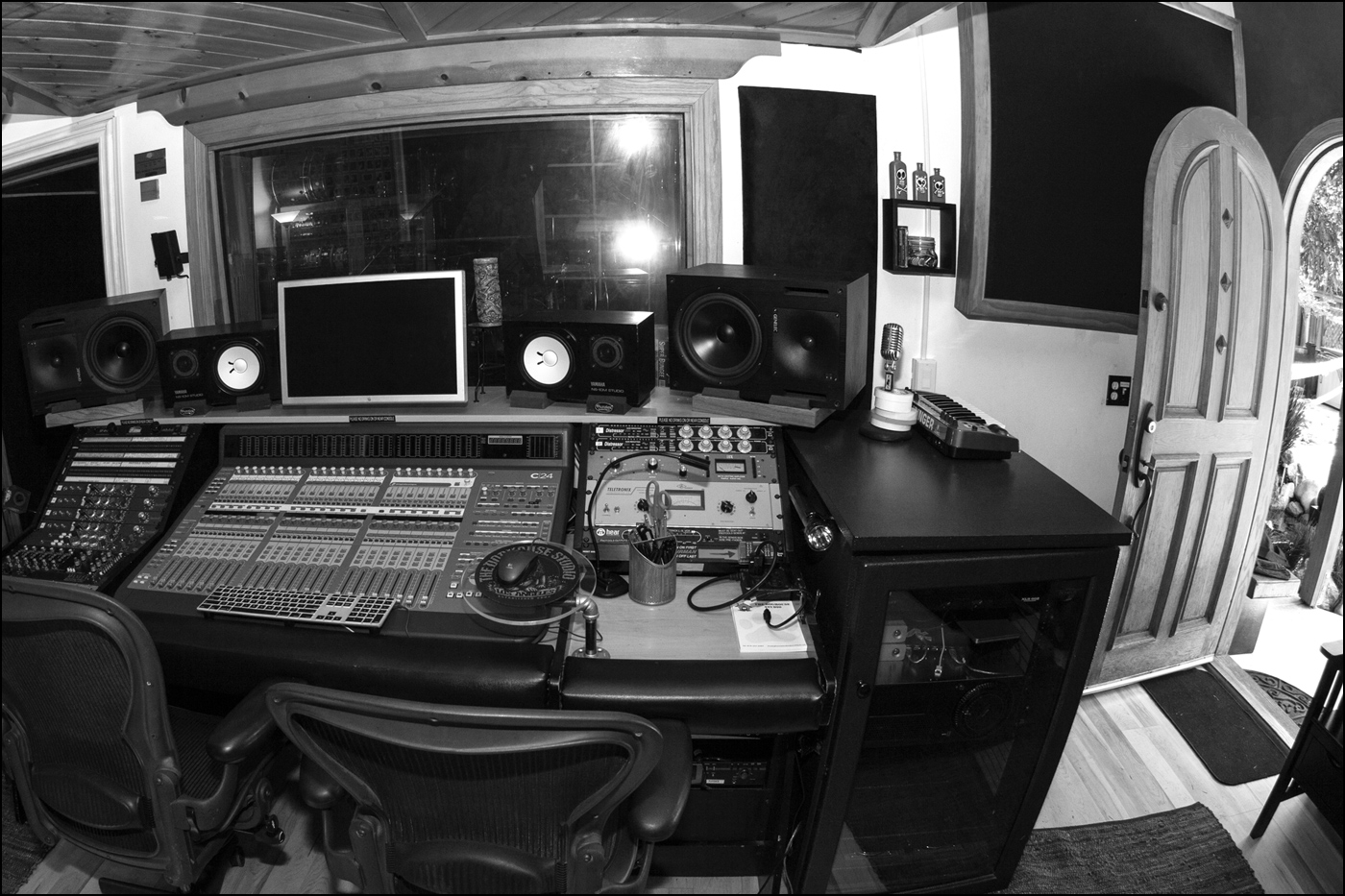
Photo via The Doghouse Studio
The Doghouse Studio in Woodland Hills has a very different energy from the big-name rooms in Hollywood and West Hollywood. It feels more like a practical player’s room, especially for artists who care about live instruments, comfort and value.
The studio has a 1,000-square-foot studio and control room, two isolation rooms, Pro Tools Ultimate, Avid HDX, Neve and API mic pres, solid monitoring, multiple headphone mixes and a setup that can support live tracking without feeling overly formal. The location in Woodland Hills also gives it a different pace. You are not fighting the same Hollywood studio traffic or parking energy, and the studio points to park-like grounds and privacy as part of the experience.
Client testimonials around The Doghouse tend to mention the same things: comfort, feel, natural sound, affordability and a relaxed environment. That is useful because it tells you what the studio is probably best at. This is a room for musicians who want to play, track and get good sounds without feeling like every minute is wrapped in unnecessary pressure.
The Woodshed Studios

Photo via Woodshed Recording
The Woodshed Studios in Malibu is a little different from the other names on this list because it is not only a music recording studio, but an all-in-one creative powerhouse. Famous for not only its panoramic ocean views, The Woodshed is known for its flexible architectural interior walls that change the room's acoustics on the fly. Quintessentially a multi-platform production studio equipped for not only sound recording and design, its capabilities extends beyond to video production, photography, post-production and special events.
That makes it useful for artists who need more than a traditional music room. If the project includes performance content, promo materials, interviews, photo assets, sound design or post-production, a production-focused space can be a better fit than a music-only studio.
For a pure album session, artists may want to compare it carefully against more music-specific rooms. But for musicians who are thinking about the whole release package, not just the recording, The Woodshed Studios can make sense as a flexible production space.
Final thoughts
Los Angeles has recording studios for almost every kind of project. The Village, Westlake, Lion Share and Chaplin all carry real history and are built for serious productions. The Doghouse offers a more relaxed Valley option for players and bands. The Woodshed Studios can be useful for artists thinking beyond audio into content and production.
Room Key Studios fits a more specific need: artists who want a private, comfortable and focused Los Angeles recording studio where the room supports the creative process without overpowering it.
For writing, vocals, production and longer creative sessions, that kind of environment can make a real difference. Not every project needs the biggest room in LA. Sometimes the better choice is the room where people feel clear, comfortable and ready to make something honest.
Don't just book a room. Book a better headspace.